

Access to housing has become one of the main structural challenges facing our society. In this context, cooperative housing is emerging as a real, stable alternative that operates outside the speculative housing market. However, to consolidate this model and scale it up, representative organizations need to strengthen their strategic role, clearly define their political positioning, and deliver tangible value to their member organizations.
With this goal in mind, Habicoop (the Federation of Housing Cooperatives of Catalonia) launched a strategic reflection process to review its value proposition, identify the sector’s priority challenges, and position itself as a truly effective organization for accelerating the development of cooperative housing across the region.
Aligning priorities to unlock opportunities
The assessment was the key starting point. Habicoop’s membership ecosystem is highly diverse, with varying needs stemming from differences in organizational size, levels of professionalization (whether internal or outsourced), and the different profiles of those representing member organizations within the federation.
On the one hand, the federation includes housing cooperatives led and represented by residents who are not housing professionals and who hire external professional services to develop their housing projects. On the other hand, it includes organizations with professional technical teams that manage multiple housing developments or provide external support services to cooperative housing projects.
In the first case, members primarily seek practical support to help them launch their housing projects and manage day-to-day operations. In the second case, they expect Habicoop to play a predominantly strategic and political advocacy role in expanding cooperative housing developments.
Faced with these varying levels of involvement, knowledge, and expectations, the federation needed to define a clear value proposition for all its members while establishing the organization’s priorities for expanding the cooperative housing model.
To address this challenge, a collaborative methodology tailored to the sector was designed and implemented over eight months. The initiative was structured around a steering group of eight representatives from the Board of Directors, the technical team, and member cooperatives, responsible for guiding the entire process and decision-making.
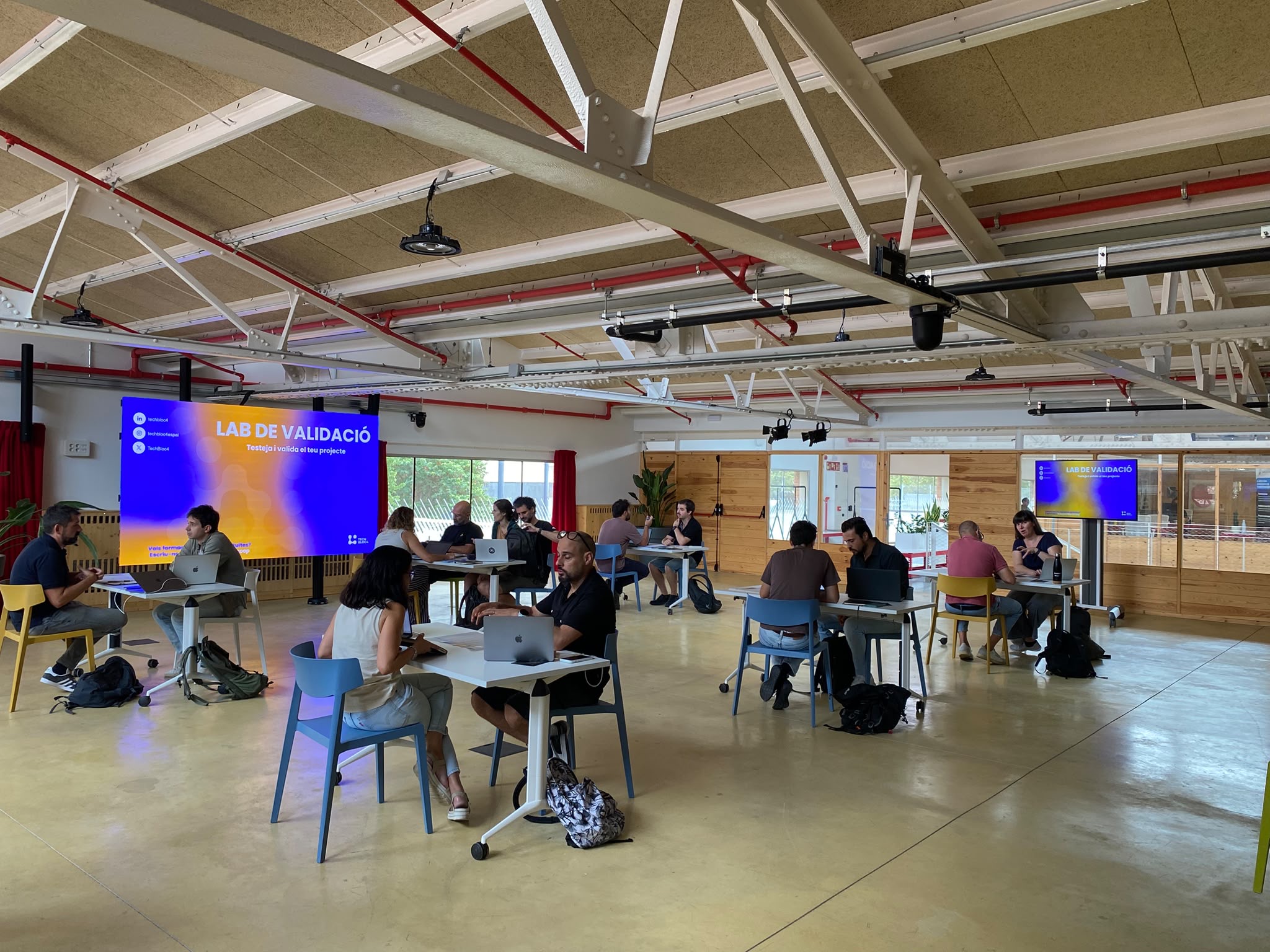
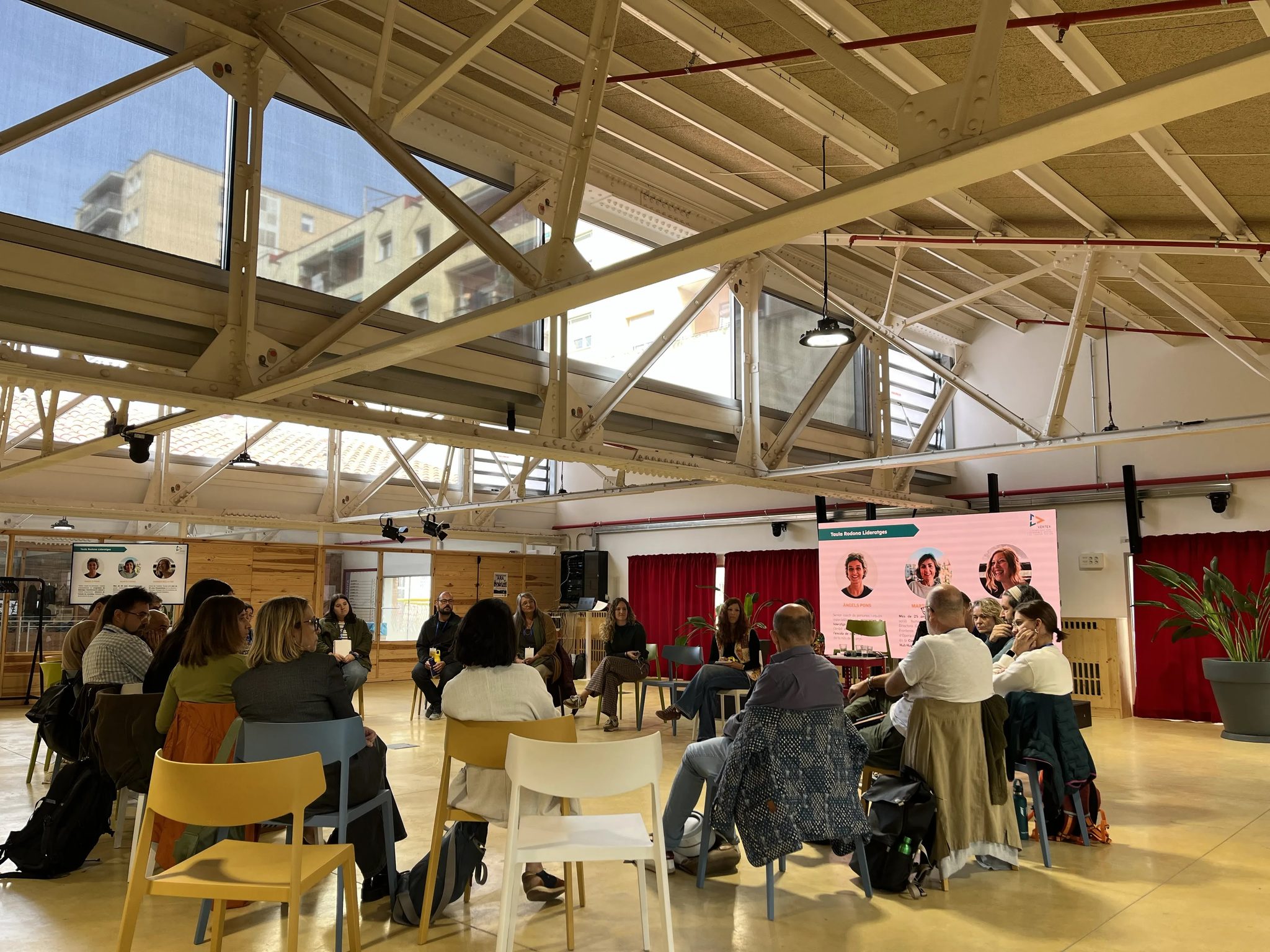
In parallel, in-depth interviews were conducted with key stakeholders and relevant organizations within the social and cooperative housing ecosystem to gather external perspectives and identify opportunities for collaboration. The process also included participatory workshops and validation sessions with member cooperatives to discuss the value proposition, culminating in a final meeting to present the strategic outcomes.
Greater clarity, stronger positioning, and a roadmap for growth
This strategic reflection process has provided the federation with a clear, shared framework for action that guides both its internal activities and its public positioning. On the one hand, the organization’s core values have been defined, establishing a clear commitment to an affordable, non-speculative housing model that eliminates speculation, democratic governance based on transparency and meaningful participation, and a positive social and environmental impact rooted in the local community.
On the other hand, the federation has identified the structural barriers that require priority public advocacy to increase the availability of cooperative housing. Its efforts are focused on improving the regulatory framework, optimizing the tax framework, and promoting public and private financing mechanisms to develop cooperative housing on both public and private land.
This strategic clarity is expected to contribute to the federation’s growth objectives. While the federation had 25 member organizations in 2023, it has grown to 37 in 2026. Its next goal is to reach 60 member cooperatives in the coming years, strengthening its vision of making cooperative housing a mainstream housing option.
Multiplying impact
Building housing alternatives beyond speculation requires not only strong grassroots projects but also well-structured umbrella organizations with a clear political voice and a shared purpose. At Tandem Social, we believe that supporting social economy federations and networks in defining their strategic focus and value proposition is essential to multiplying their real impact on society.